Renovations That Increase Property Value
By the HousingPortal.ca team · Updated June 2026
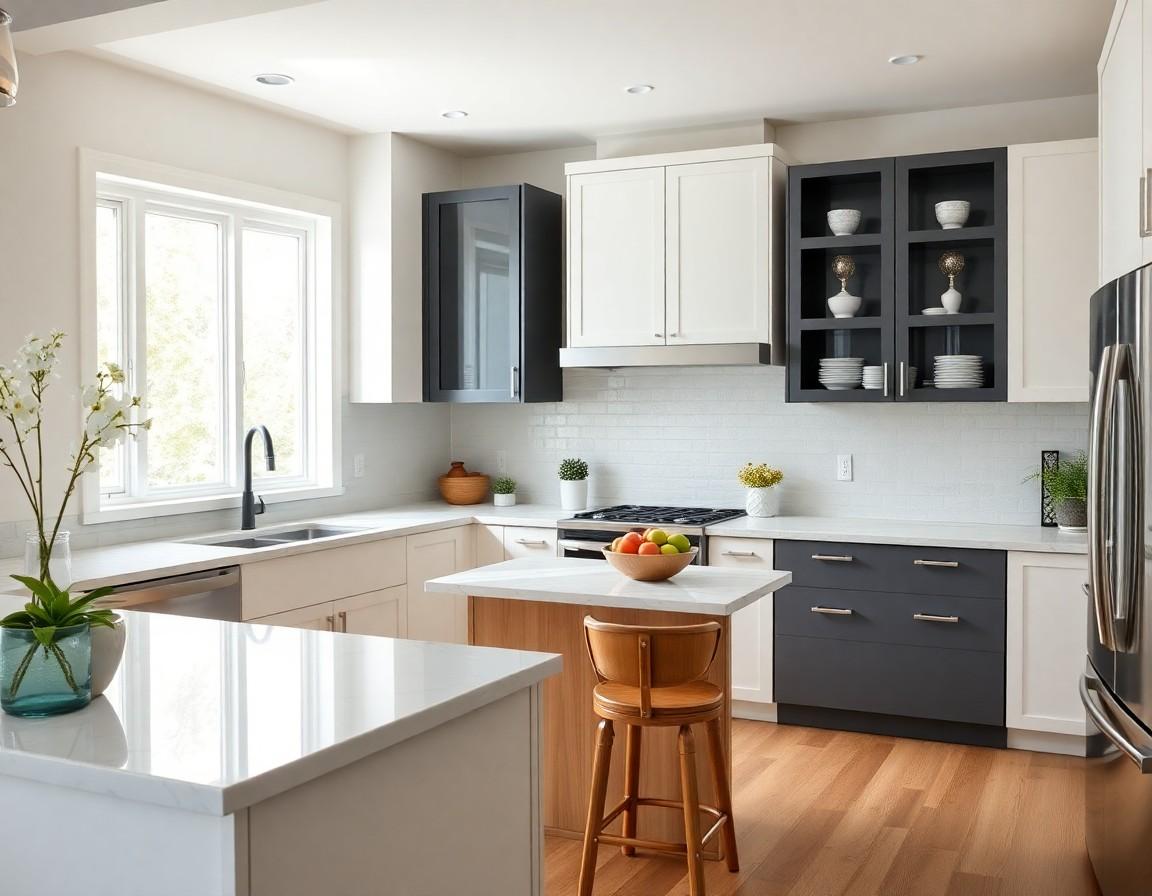
Not every renovation dollar comes back at sale, and some renovations actually reduce your net proceeds by costing far more than they add in market value. Understanding which renovations deliver the strongest return on investment — and which ones sellers routinely over-invest in — is one of the most valuable things you can know before spending money to prepare a home for sale. The goal is not to maximize what you spend but to maximize what you recover, and those two objectives point in very different directions.
Why Not All Renovations Pay Back at Sale
The renovation industry and the real estate market operate by different rules. Renovation costs are based on labour, materials, and the complexity of the work. Market value is based entirely on what a buyer will pay — and buyers pay based on comparable sales, neighbourhood norms, and their own preferences, not on how much the seller spent. A $100,000 renovation in a neighbourhood where homes sell for $600,000 does not add $100,000 in value because buyers in that market have a ceiling on what they will pay regardless of the finishes. The mismatch between renovation cost and market value recovery is what makes the ROI concept so important.
Renovation ROI Comparison
The table below compares common pre-sale renovations by approximate cost range and estimated return on investment at the time of sale. These figures are directional estimates based on Canadian market data and will vary by property type, neighbourhood, and market conditions.
Renovation | Approximate Cost | Estimated ROI at Sale |
|---|---|---|
| Fresh paint (interior) | $3,000–$8,000 | 150–200%+ |
| Curb appeal (landscaping, door, walkway) | $2,000–$10,000 | 100–150% |
| Minor kitchen update (hardware, counters, paint) | $5,000–$15,000 | 80–120% |
| Bathroom refresh (caulk, fixtures, tile) | $2,000–$8,000 | 80–100% |
| Adding a deck | $10,000–$25,000 | 70–90% |
| Finishing a basement | $30,000–$60,000 | 60–80% |
| Mid-range kitchen renovation | $30,000–$60,000 | 60–80% |
| New windows and doors | $15,000–$35,000 | 60–75% |
| Full kitchen gut renovation | $60,000–$120,000 | 40–60% |
| Luxury master suite addition | $80,000–$150,000+ | 30–50% |
Painting: The Highest-ROI Single Renovation
Fresh, neutral paint is the single renovation with the highest and most consistent return on investment. A professional interior repaint typically costs $3,000 to $8,000 for a whole home and can return well over its cost in sale price, reduced days on market, and stronger buyer confidence. Paint makes every room look cleaner, newer, and larger in listing photos — the very qualities that drive online click-through rates and showings. Choose warm whites, soft greiges, or quiet warm greys rather than bold colours. Exterior painting or painting the front door alone can have outsized impact on curb appeal for a fraction of the full interior cost.
Curb Appeal: The Highest-ROI Category
Curb appeal improvements — landscaping, a new or repainted front door, updated exterior lighting, pressure-washed walkways and driveway, fresh mulch, and well-placed planters — consistently rank among the highest-ROI investments sellers can make. The reason is simple: buyers form their first impression before they walk through the door, and that impression shapes how they evaluate everything they see inside. A home that looks well-maintained from the street generates more showings and stronger offers than an identical home with a neglected exterior. Most curb appeal improvements cost between $2,000 and $10,000 and return more than their cost.
Kitchen Renovations: What Level of Finish Makes Sense
The kitchen is where sellers are most likely to over-invest relative to their neighbourhood. A minor kitchen update — new cabinet hardware, fresh countertops, a painted or refaced cabinet, and updated faucet — can cost $5,000 to $15,000 and return 80 to 120 cents on the dollar. A full mid-range renovation in the $30,000 to $60,000 range typically returns 60 to 80 cents. A complete gut renovation costing $80,000 or more rarely returns more than 50 to 60 cents on the dollar unless the neighbourhood actively supports luxury-level kitchen finishes. The rule is: renovate to the neighbourhood standard, not above it. If every home on your street has a functional but modest kitchen, a $100,000 renovation will not be reflected in your sale price.
Bathroom Updates
Bathrooms are the second room buyers scrutinize most carefully. You do not need to gut a bathroom to improve its presentation and market appeal. Replacing worn caulking, re-grouting tile, updating fixtures and faucets, replacing a dated vanity, and installing new lighting can transform a bathroom's appearance for $2,000 to $8,000 — with solid ROI. A full bathroom gut renovation ($20,000 to $40,000) is harder to recover at sale unless the bathroom is genuinely non-functional or the neighbourhood commands luxury finishes. Focus on clean, fresh, and updated rather than bespoke and expensive.
Finishing a Basement
A finished basement adds usable square footage and is particularly valuable in markets where buyers need additional living space, a home office, or an income suite. A basement that adds a legal secondary suite can add more value than almost any other renovation because it offers buyers a rental income opportunity, which directly affects what they will pay. A simple finished basement without a suite (rec room, bathroom, laundry) typically costs $30,000 to $60,000 and returns 60 to 80 cents on the dollar. The key variable is whether the neighbourhood supports the investment — a finished basement in a high-demand area with limited supply recovers far better than one in a soft market.
Adding a Deck or Outdoor Living Space
In Canada, where outdoor living season is short and valued, a well-built deck or patio consistently adds appeal and recovers a reasonable share of its cost at sale. A pressure-treated wood deck or composite deck typically costs $10,000 to $25,000 and returns 70 to 90 cents on the dollar in markets where outdoor space is in demand. Elaborate multi-level structures with built-in features are harder to recover in full, particularly if they were built for personal enjoyment rather than with resale in mind. A clean, structurally sound, and freshly stained existing deck is worth far more than its cost suggests — replace rotted boards and refinish before listing rather than leaving it looking tired.
Windows and Doors
Replacing windows and exterior doors is primarily a functional and energy efficiency upgrade, not an aesthetic one. Buyers appreciate newer windows for comfort, energy savings, and reduced maintenance, but they rarely pay a dollar-for-dollar premium for them. New windows and doors typically return 60 to 75 cents on the dollar at sale but may be necessary if existing windows are foggy, drafty, failing, or clearly reaching end of life. If your windows are in reasonable condition, money is better spent on higher-ROI improvements. If they are genuinely problematic, address them — they will become a negotiating point or inspection finding if you do not.
Over-Improving for the Neighbourhood
The most common and costly renovation mistake sellers make is improving a home well beyond the standard of comparable properties in the neighbourhood. Buyers pay for location and neighbourhood averages, not for the best house on the street. A home with $150,000 in renovations in a neighbourhood where homes sell between $600,000 and $700,000 will not sell for $750,000 — buyers in that price range who want those finishes will simply buy in a different neighbourhood. Renovation investment should match the ceiling that comparable sales impose, and your agent can tell you exactly what that ceiling is before you spend a dollar.
What Buyers Value vs. What Sellers Over-Invest In
Buyers consistently prioritize functional updates, clean presentations, and move-in-ready condition. They value a modern kitchen that works, updated bathrooms, fresh paint, good lighting, and a maintained exterior. Sellers, on the other hand, routinely over-invest in custom finishes, luxury appliances, specialty tile, and high-end landscaping that buyers appreciate but will not pay a premium for. Buyers also routinely discount for deferred maintenance — a leaking roof, dated plumbing, or a failing HVAC system will cost you at negotiation or on the inspection report. Fix the fundamentals first, then invest selectively in cosmetic improvements with proven ROI.
The Renovation vs. Selling As-Is Decision
In some cases, selling a home as-is and pricing it to reflect its condition is the right decision. This is particularly true when a home requires extensive work that would take months to complete, when the seller cannot fund renovations upfront, or when the market is moving quickly enough that buyers are willing to take on work themselves. An as-is home priced accurately will sell — often to investors or buyers who want to customize — without the seller having to manage contractors, financing renovation costs, or waiting for completion. Your agent can model both scenarios and help you decide which approach produces the better net outcome after costs.
Questions to Ask Before You Renovate to Sell
What do comparable homes in my neighbourhood look like, and what finishes are they selling with? Your renovation target is the neighbourhood norm, not a magazine. If most comparable homes have builder-grade kitchens, buyers in your market are not paying for custom cabinetry. Ask your agent to walk you through recent comparable sales and show you photos.
What is the price ceiling in my neighbourhood, and how does my home currently compare? If you are already at or near the top of what comparable homes sell for, significant renovation investment is unlikely to recover. If you are below average for your street due to deferred maintenance, targeted improvements may close that gap efficiently.
Will this renovation be complete, permitted, and inspectable before I list? Incomplete renovations, unpermitted work, and renovations completed days before listing are red flags for buyers and inspectors. A renovation that is not done properly or not done on time may hurt your sale more than the original condition would have.
What is the total all-in cost, including contingency? Renovation budgets routinely run 15 to 25% over initial estimates due to unforeseen conditions, material lead times, and scope creep. Before committing to a renovation, get firm quotes and build a realistic contingency into your planning.
Would buyers prefer to have the renovation allowance in price rather than the renovation itself? In some cases, buyers would rather receive a lower price and choose their own finishes than inherit someone else's renovation choices. Your agent can advise whether a credit or price reduction would be more effective than the renovation in your specific market.
The Bottom Line
The renovations that add the most value at sale are rarely the most expensive ones. Paint, curb appeal, clean bathrooms, and a functional kitchen consistently outperform full gut renovations on a dollar-in, dollar-recovered basis. The discipline is in knowing your neighbourhood's price ceiling, understanding what buyers in your market actually value, and spending purposefully on improvements that close the gap between your home's current condition and the standard comparable properties are selling at — nothing more, nothing less.
Related guides & tools
The information presented on HousingPortal.ca is intended for general illustrative purposes only. While the information is believed to be reliable, it cannot be guaranteed for accuracy, completeness, or currency. Neither HousingPortal.ca and its employees, nor any other party identified in this guide/report, assumes any liability for the information provided. The views and opinions expressed by the analysts at HousingPortal.ca are their own and should not be considered as investment advice. It is recommended that you seek the advice of a licensed real estate professional before making any decisions regarding real estate investments.