Energy-Efficient Home Upgrades That Save Money
By the HousingPortal.ca team · Updated September 2026
Canadian homeowners spend an average of $2,000 to $4,000 annually on energy, and older homes with poor insulation or aging mechanical systems often pay significantly more. The right energy upgrades reduce that bill while also increasing your home's market value — a combination that makes them among the best investments available to a homeowner. This guide ranks the highest-return upgrades available in Canada, gives you realistic cost and payback figures, and explains how to sequence improvements so you get the most from every dollar.
Why Energy Efficiency Is Worth Prioritizing
Energy costs in Canada have risen steadily, driven by electricity rate increases in provinces like Ontario and BC and by natural gas price volatility (the federal consumer carbon charge, by contrast, was set to zero on April 1, 2025). Beyond utility savings, energy-efficient homes command measurable premiums at resale: studies from Natural Resources Canada and CMHC consistently show that EnerGuide-rated homes sell faster and at higher prices than comparable unrated homes. Buyers increasingly ask about utility costs and energy ratings, particularly first-time buyers managing tight budgets. Improving efficiency is both an immediate cost reduction and a longer-term asset appreciation strategy.
Start With an Energy Audit
Before spending a dollar on upgrades, get a home energy audit from a certified energy advisor registered with Natural Resources Canada's EnerGuide program. The audit uses a blower door test, thermal imaging, and a full inspection of your mechanical systems to identify where heat is escaping and what upgrades will deliver the most savings for your specific home. Audits typically cost $400 to $600, but some provincial programs refund part or all of the fee — and many provincial and utility rebate programs require one before you start work. (The federal Canada Greener Homes Grant and Loan that also required them are now closed to new applicants.) An auditor will rank your improvements by cost-effectiveness rather than guessing.
Insulation and Air Sealing: The Highest-ROI Upgrade
In most Canadian homes, insulation and air sealing deliver the single best return on investment. Heat loss through a poorly sealed building envelope can account for 30 to 40% of a home's total energy use. Adding attic insulation to the recommended R-50 to R-60 in cold climates, insulating basement walls, and sealing gaps around electrical boxes, plumbing penetrations, and window frames can reduce heating costs by 20 to 30% at a cost of $2,000 to $8,000 depending on house size. Payback periods of three to seven years are typical. This upgrade is also the foundation that makes all other improvements more effective — a heat pump installed in a leaky house will underperform because the upgraded system is fighting the same building shell as before.
Smart Thermostats and Lighting: Low Cost, Fast Payback
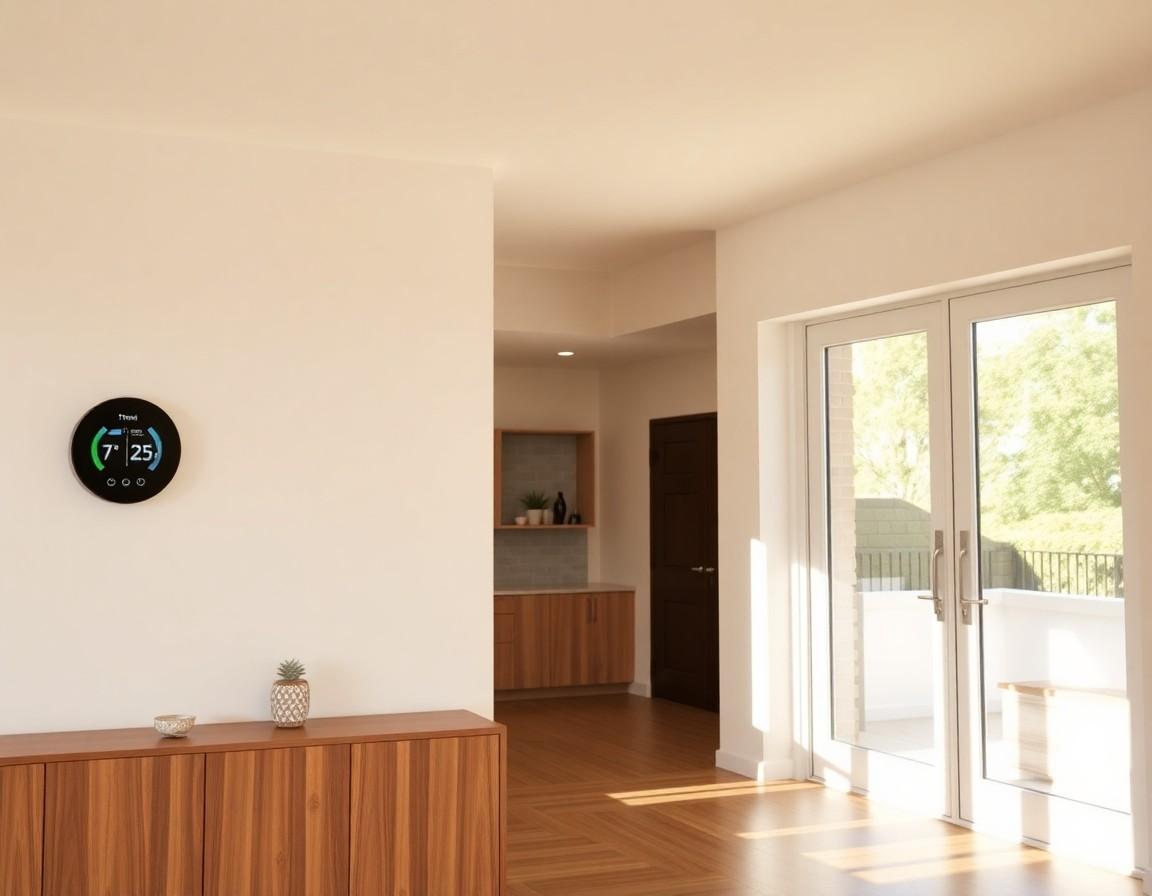
A programmable or smart thermostat like a Nest or Ecobee is the easiest upgrade with the fastest payback. These devices learn your schedule, adjust temperatures automatically when you leave, and can be controlled remotely via smartphone. Savings of 10 to 15% on heating and cooling costs are typical, with the device paying for itself in one to three years. They are also compatible with most Canadian HVAC systems including forced-air gas furnaces, heat pumps, and hydronic boilers (verify compatibility before purchasing).
LED lighting uses about 75% less energy than incandescent bulbs and lasts 15 to 25 times longer. Replacing all lighting in an average home costs $200 to $600 and pays back within two to four years in reduced electricity costs alone. The savings are proportionally larger in homes with many pot lights or track lighting.
Windows and Doors: Worthwhile But Expensive
Replacing single-pane or drafty windows with ENERGY STAR-certified triple-pane windows significantly reduces heat loss and improves comfort near windows in winter. However, window replacement is expensive — $8,000 to $20,000 or more for a full house — and payback periods of 10 to 25 years mean they rarely pencil out on energy savings alone. The better justification is comfort, reduced condensation, lower noise, and resale appeal. If windows are original to a home built before 1990, replacement is worth considering when they are due for repair anyway. If you are not ready to replace them, adding weatherstripping, interior window film, or heavy curtains captures meaningful savings at a fraction of the cost.
Heat Pumps vs. Furnaces: What Makes Sense in Canada
Heat pumps are the most transformative upgrade available to Canadian homeowners, but they require careful consideration in cold climates. Modern cold-climate heat pumps (rated for operation down to –25°C or lower) can deliver three units of heat energy for every one unit of electricity consumed — making them two to three times more efficient than even the best gas furnace. In provinces with lower electricity rates like BC and Quebec, the economics are compelling. In provinces where natural gas is cheap, the calculation is closer. A heat pump also provides efficient air conditioning in summer, replacing the need for a separate AC unit. Most Canadian installations use a hybrid system: a heat pump handles moderate temperatures, and a backup gas furnace takes over during extreme cold. Installation costs range from $8,000 to $20,000 including any necessary electrical upgrades.
Hot Water Heater Upgrades
Water heating accounts for roughly 15 to 20% of the average Canadian home's energy use. Heat pump water heaters are the most efficient option, using 50 to 70% less electricity than a conventional electric tank heater. They work best in unconditioned spaces like basements or utility rooms where they have ambient air to draw heat from. On-demand (tankless) water heaters — either gas or electric — eliminate standby heat loss from keeping a large tank of water hot all day, and they are well-suited to smaller households. For homes still using an old electric tank heater, upgrading to a heat pump water heater is one of the highest-ROI electrical upgrades available, particularly in Ontario, BC, and Nova Scotia where electricity is expensive.
Solar Panels: Long-Term Play
Rooftop solar panels have become more affordable over the past decade, with installed costs for a typical Canadian home ranging from $15,000 to $35,000 before incentives. Net metering programs in most provinces allow you to sell excess power back to the grid, reducing your electricity bill to near zero in summer months. However, payback periods of 10 to 20 years mean solar makes the most sense for homeowners who plan to stay long-term or who see solar as an environmental commitment as much as a financial one. Homes in southern Ontario, Alberta, and BC have the best solar economics due to sunshine hours and electricity rates. Solar panels also add measurable appeal to certain buyer segments and are worth considering if a roof replacement is already planned, since installation costs are lower when coordinated with a new roof.
Upgrade Costs and Payback at a Glance
Upgrade | Typical Cost (CAD) | Energy Savings | Payback Period |
|---|---|---|---|
| Insulation & air sealing | $2,000–$8,000 | 20–30% | 3–7 years |
| Programmable/smart thermostat | $200–$600 | 10–15% | 1–3 years |
| LED lighting | $200–$600 | 75% vs. incandescent | 2–4 years |
| Windows & doors | $8,000–$20,000+ | 10–15% | 10–25 years |
| Heat pump (replacing furnace) | $8,000–$20,000 | 30–50% | 5–12 years |
| Heat pump water heater | $1,500–$3,500 | 50–70% vs. electric tank | 4–8 years |
| Solar panels | $15,000–$35,000 | 50–90% of electricity bill | 10–20 years |
Choosing a Contractor for Major Work
For insulation, heat pump installation, and other major mechanical work, choosing the right contractor is as important as choosing the right upgrade. Get at least three written quotes. Verify that contractors are licensed in your province and carry both liability insurance and workers' compensation coverage. For heat pump installation, look for contractors certified by the Heating, Refrigeration and Air Conditioning Institute of Canada (HRAI). Ask for references from completed projects of similar scope and verify that all required permits are pulled — unpermitted mechanical work can create issues at resale and may void manufacturer warranties. Contractors on your provincial or utility rebate program's approved list have already been vetted and often handle rebate paperwork on your behalf, which simplifies the process considerably.
How Upgrades Affect Resale Value
Energy upgrades contribute to resale value in two ways: directly, through a higher EnerGuide rating that buyers and their agents can compare across listings, and indirectly, through lower operating costs that allow buyers to qualify for slightly larger mortgages. CMHC refunds 25% of the mortgage insurance premium to insured buyers of energy-efficient new homes (CMHC Eco Plus) and to insured buyers who make energy-saving renovations (CMHC Eco Improvement), which is a meaningful incentive. Upgrades that also improve comfort — particularly insulation, heat pumps, and triple-pane windows — tend to have the strongest buyer appeal because their benefits are felt immediately, not just on a utility bill. Solar panels and smart systems appeal most strongly to environmentally motivated buyers and tech-comfortable younger buyers.
What to Defer
Not every upgrade makes financial sense immediately. Defer solar if your roof is more than 10 years old and will need replacement within five years — uninstalling and reinstalling panels adds $2,000 to $5,000 to the project. Defer window replacement if the windows are sealed, functional, and have at least double-pane glazing — the energy savings alone rarely justify the cost unless other improvements have already been made. And defer any major mechanical upgrade if you have not yet completed insulation and air sealing — a leaky building envelope undermines the efficiency gains from even the best heating system.
Start Here
Book an EnerGuide energy audit. It will tell you exactly where your home is losing energy, rank your best upgrade opportunities by cost-effectiveness, and unlock eligibility for provincial and utility rebate programs that can cover thousands of dollars in costs. The audit is the one step that makes every other decision easier — and for most Canadian homeowners, the payback on that $400 to $600 cost begins on the day of the appointment.
Related guides & tools
The information presented on HousingPortal.ca is intended for general illustrative purposes only. While the information is believed to be reliable, it cannot be guaranteed for accuracy, completeness, or currency. Neither HousingPortal.ca and its employees, nor any other party identified in this guide/report, assumes any liability for the information provided. The views and opinions expressed by the analysts at HousingPortal.ca are their own and should not be considered as investment advice. It is recommended that you seek the advice of a licensed real estate professional before making any decisions regarding real estate investments.