Seasonal Home Maintenance: A Month-by-Month Guide
By the HousingPortal.ca team · Updated June 2026
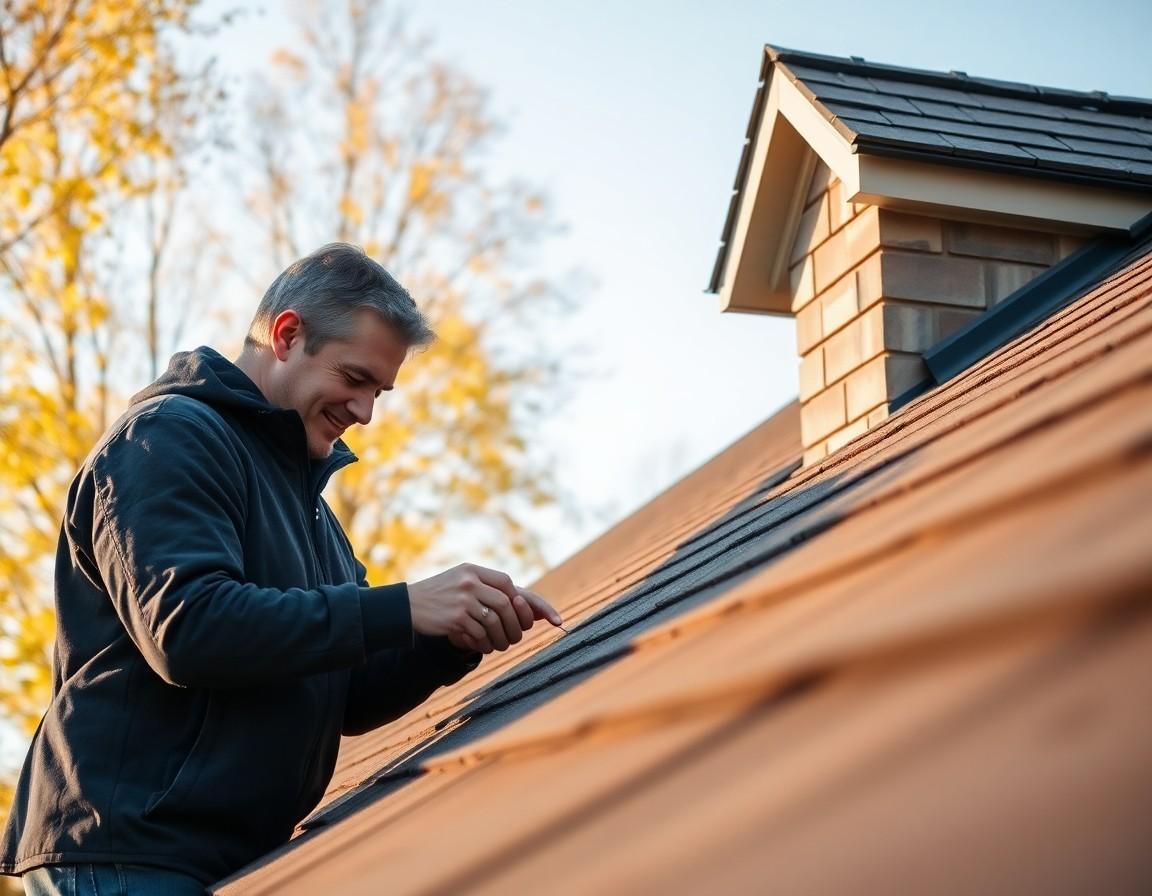
Canadian homes endure one of the most demanding climates in the world — freeze-thaw cycles that crack foundations, spring ice melt that floods basements, summer humidity that warps wood and grows mould, and winter cold that exposes every gap in a building's envelope. The homeowners who stay ahead of maintenance spend a fraction of what those who react to emergencies spend. A burst pipe repaired in an emergency costs five to ten times more than a maintained system. This guide gives you a practical, season-by-season maintenance plan so that nothing catches you off guard.
Why Maintenance Timing Matters
Home systems fail predictably. Furnaces are most likely to break down on the first cold day of fall when they are switched on after months of inactivity. Eavestroughs overflow and cause water intrusion in spring because they were not cleared in the fall. Decks rot from the underside because water pooled on an unchecked surface all winter. The solution is not reacting to these failures — it is scheduling the inspection and preventive work in the season before each risk peaks. A two-hour fall walkthrough of your home's exterior costs nothing and routinely prevents $10,000 to $30,000 in water damage or structural repair bills.
Seasonal Task Overview
Season | Priority Tasks | Urgency |
|---|---|---|
| Spring (Mar–May) | Roof inspection, eavestrough cleaning, foundation check, AC service | Medium — repair before summer heat |
| Summer (Jun–Aug) | Exterior painting/caulking, window/door seal check, dryer vent cleaning | Low to medium — comfort and prevention |
| Fall (Sep–Nov) | Eavestrough clearing, furnace service, weatherstripping, chimney check | High — before freeze-up |
| Winter (Dec–Feb) | Ice dam monitoring, carbon monoxide detector test, attic condensation inspection | High — safety and structural protection |
Spring: Assessing Winter's Damage
Spring is the season for inspection — your job is to find what winter broke before it causes further damage through the warmer months. Begin with the roof: look for missing, curled, or cracked shingles from the ground using binoculars, and inspect visible flashing around chimneys, vents, and skylights. Any shingle damage should be repaired before spring rains. Clean eavestroughs of debris accumulated over fall and winter, and run water through them to confirm downspouts drain at least two metres from the foundation. Walk the perimeter of your foundation looking for new cracks, especially horizontal cracks in poured concrete walls, which signal pressure from soil movement and warrant a professional assessment. Inside, service the air conditioning system before summer heat arrives: replace the filter, clear the condensate drain, and consider a professional tune-up if the unit is more than five years old. Test smoke and carbon monoxide detectors and replace batteries. Inspect the deck for soft or spongy boards, loose fasteners, and rot at the ledger board where the deck attaches to the house — this joint is the most common point of failure and the most expensive to repair if ignored.
Summer: Exterior Upkeep and Ventilation
Summer is the season for exterior maintenance tasks that require dry weather and warm temperatures to do properly. Inspect the entire exterior cladding — whether wood siding, stucco, brick, or composite — for gaps, cracks, and areas where caulking has failed. Re-caulk around windows, doors, and penetrations before any gaps allow water infiltration that only becomes visible months later as interior staining. If painting or staining is needed, summer provides the ideal cure conditions. Check every window and exterior door for weatherstripping that has compressed or cracked: replace any that no longer seals firmly when closed. Clean the dryer vent duct from the exterior vent cap to the dryer connection — lint buildup is a leading cause of residential fires and is also responsible for dryers running inefficiently. If you have a heat recovery ventilator (HRV), clean the core and check the filters. Summer is also when basement humidity peaks; run a dehumidifier and keep humidity below 50% to prevent mould growth in the lower level.
Fall: The Most Critical Season
If you only do one season's maintenance thoroughly, make it fall. The decisions you make before freeze-up determine how your home weathers the winter and whether you face an emergency repair in January when contractors are unavailable and costs are highest. The sequence matters: clear eavestroughs of all fallen leaves before the first frost, since leaves wet with frost block drainage and lead to ice dams and water infiltration. Disconnect and drain all exterior garden hoses and shut off exterior hose bibs from the interior shutoff valve — water in an outdoor hose can freeze and push back into the pipe, cracking it inside the wall. Have your furnace or boiler serviced by a licensed HVAC technician before the heating season: replace filters, inspect the heat exchanger for cracks (a cracked heat exchanger leaks carbon monoxide), and verify the flue is clear. Inspect weatherstripping on all exterior doors by closing them on a piece of paper — if you can pull the paper out with no resistance, the seal needs replacing. Have the chimney inspected and swept annually if you use a wood-burning fireplace; creosote buildup is a leading cause of chimney fires. Check the attic for evidence of pest activity, which is most visible in fall when animals seek warm shelter.
Winter: Safety, Monitoring, and Prevention
Winter maintenance is primarily about monitoring and responding quickly. Check your attic after significant snowfall for ice dams forming at the eaves — ice dams occur when heat escaping through the roof melts snow that refreezes at the colder overhang, forcing water under shingles and into the ceiling. The long-term solution is better attic insulation and ventilation; the immediate solution for an active ice dam is a roof rake to remove snow load and calcium chloride ice melt applied in a stocking. Test carbon monoxide detectors monthly through the heating season, as CO is produced by combustion appliances that may be running with compromised flues due to wildlife nesting or ice blockages. Inspect the attic for condensation on the underside of the roof deck after cold snaps: moisture here indicates inadequate vapour barrier or attic ventilation and will cause mould and structural damage if left uncorrected. Keep a clear path to your main water shutoff valve so you can act immediately if a pipe bursts.
Frozen Pipes: Prevention and Response
Pipes freeze in unheated spaces: crawl spaces, garages, exterior walls with inadequate insulation, and cabinets under sinks on exterior walls. Prevention is straightforward — insulate any pipe run in an unheated space, keep cabinet doors under exterior sinks open on very cold nights, and maintain interior temperature above 15°C even if you are away. If a pipe does freeze but has not yet burst, open the faucet, then apply gentle heat to the pipe using an electric heating pad, hair dryer, or warm towels starting from the faucet and working toward the cold section. Never use an open flame. If a pipe has already burst, shut the main water valve immediately and call a plumber. Know where your main shutoff is before you need it — it is typically near the water meter or where the water service enters the house.
Year-Round Systems to Monitor Monthly
Some maintenance items do not fit neatly into a season and deserve monthly attention regardless of the time of year. Check the HVAC filter every month and replace it when it looks visibly loaded — a clogged filter strains the system, reduces air quality, and can cause the heat exchanger to overheat. If your home has a sump pump, test it by pouring water into the pit every two to three months to confirm the float trigger and pump are working. Run water in infrequently used fixtures to prevent P-trap evaporation that allows sewer gas into the home. Check under sinks for any evidence of slow drips from supply or drain connections, which are easy to fix early and destructive if left for months.
Building Your Maintenance Calendar
The most effective approach is to schedule maintenance like any recurring appointment. Block two to three hours in your calendar at the start of each season for the inspection walkthrough. Create a simple checklist — or use this guide as your reference — and work through it systematically rather than from memory. Keep a home maintenance log recording what was done, when, and by whom. This log is valuable not just for staying organized but for resale: buyers and their inspectors view a documented maintenance history favourably, and it can support your asking price and reduce negotiated credits at closing. A well-maintained home is not just worth more on paper; it performs better in an inspection and closes faster.
Know It Before You Need It
Locate and label your main water shutoff, electrical panel breakers, and gas shutoff valve before an emergency requires you to find them under pressure. Walk a new family member or house-sitter through the locations. Store the contact information for a trusted plumber, electrician, and HVAC technician in your phone before you need them at 11 pm on a Sunday. Preventive maintenance is 90% routine and 10% preparedness — and the 10% is what determines how a genuine emergency unfolds.
Related guides & tools
The information presented on HousingPortal.ca is intended for general illustrative purposes only. While the information is believed to be reliable, it cannot be guaranteed for accuracy, completeness, or currency. Neither HousingPortal.ca and its employees, nor any other party identified in this guide/report, assumes any liability for the information provided. The views and opinions expressed by the analysts at HousingPortal.ca are their own and should not be considered as investment advice. It is recommended that you seek the advice of a licensed real estate professional before making any decisions regarding real estate investments.