Annual Home Maintenance Checklist
By the HousingPortal.ca team · Updated June 2026
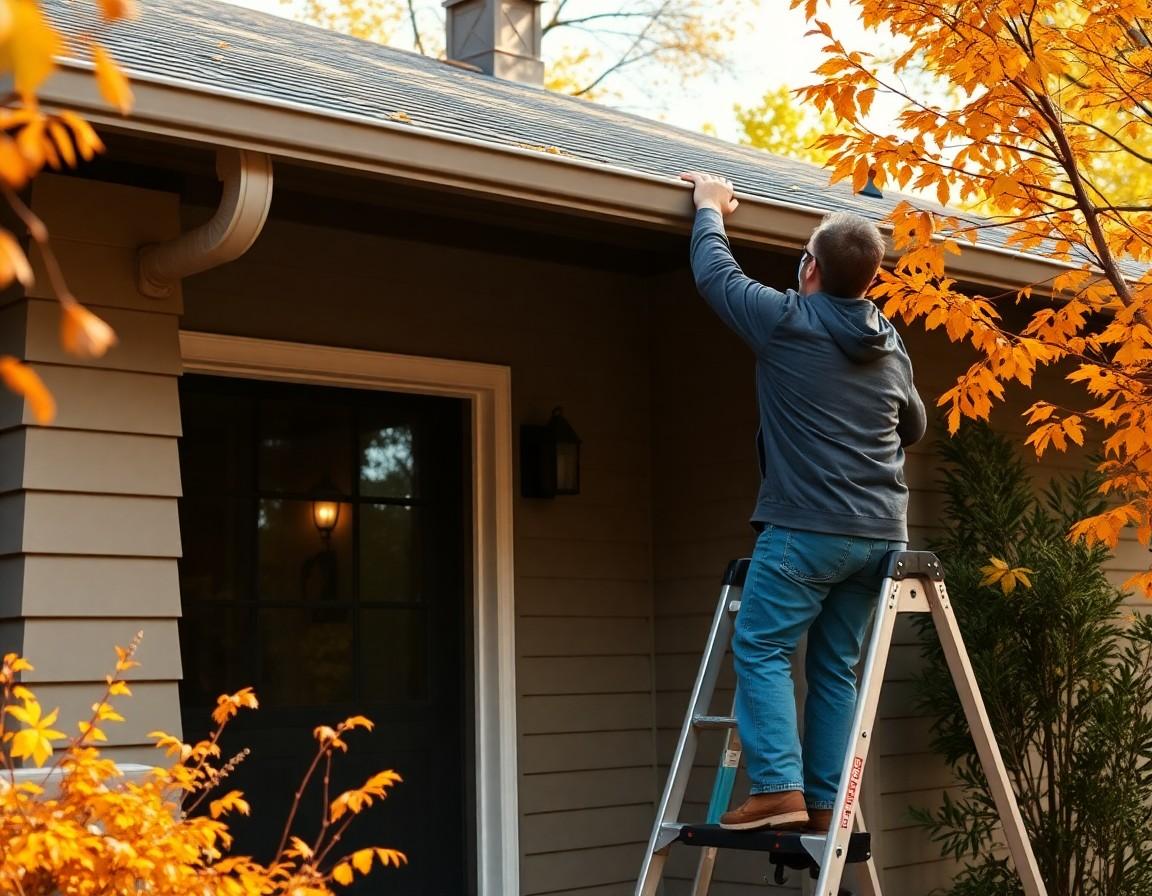
A home is the most expensive asset most Canadians will ever own, and like any significant asset it requires consistent upkeep to retain its value and function safely. Deferred maintenance is almost always more expensive than preventive maintenance — a $200 gutter cleaning prevents a $5,000 water damage repair. Working through a seasonal checklist each year keeps small issues from becoming costly emergencies and gives you a clear picture of your home's condition before problems become urgent.
How Much to Budget for Home Maintenance
A widely used guideline is to budget 1% to 2% of your home's purchase price annually for maintenance and repairs. On a $700,000 home, that is $7,000 to $14,000 per year, though costs vary significantly depending on the home's age, size, and condition. Older homes typically demand the higher end of that range; newer homes may run lower in the early years but should still carry a reserve.
The key is treating maintenance costs like a fixed monthly expense rather than a surprise. Setting aside $600 to $1,000 per month into a dedicated home maintenance fund means you are never caught off guard by a furnace replacement or a failing roof.
Category | Typical Annual Cost | Major Replacement (when needed) |
|---|---|---|
| Roof & Gutters | $200–$600 (cleaning/inspection) | $8,000–$20,000+ |
| HVAC & Furnace | $150–$400 (service + filter replacements) | $4,000–$12,000 |
| Plumbing | $100–$300 (minor repairs) | $3,000–$10,000+ |
| Exterior & Landscaping | $300–$800 (seasonal prep) | $2,000–$15,000 |
| Interior & Appliances | $200–$500 (minor repairs) | Varies by appliance |
Spring: Inspect, Clean, and Repair
Spring is the most important maintenance season — it is when you assess the damage from winter and prepare for the warmer months. Walk the entire exterior of your home and look for cracks in the foundation, damaged siding, and signs of frost heave or settling. Inspect the roof from the ground or safely from a ladder: missing shingles, lifted flashing, and sagging sections all warrant professional attention before spring rains arrive.
Clean gutters and downspouts of winter debris, confirm they drain away from the foundation, and extend downspout extenders if needed. Test all exterior faucets after turning the water back on, and inspect window caulking and door weatherstripping for gaps that developed over winter. Have your air conditioning system serviced before the first hot day — HVAC technicians book up quickly in May and June.
Summer: Maintain and Protect
Summer maintenance is primarily about protecting your home's exterior from heat, UV exposure, and moisture. Inspect and touch up any exterior paint or stain that is peeling or cracking — exposed wood deteriorates quickly without a protective coating. Check your deck or patio for loose boards, popped fasteners, and any signs of rot or insect damage, particularly where wood meets soil or concrete.
Inside, replace the furnace filter (do this every one to three months year-round depending on filter type), clean dryer vents to reduce fire risk, and check under sinks and around appliances for slow leaks. Test smoke and carbon monoxide detectors; replace batteries in any that use them.
Fall: Winterize and Prepare
Fall maintenance is about preparing your home to survive a Canadian winter without expensive cold-weather damage. Have your furnace or boiler serviced in September or October before the demand surge. Clean gutters again after leaves have fallen to prevent ice dams forming at the eavestroughs. Disconnect and drain garden hoses, shut off exterior water supply valves, and blow out irrigation systems before the first frost.
Seal any gaps or cracks in the foundation, exterior walls, and around utility penetrations with caulk or spray foam — these are entry points for both cold air and pests. Check attic insulation levels and ventilation to prevent ice damming on the roof. Stock up on ice melt and confirm your snow removal equipment is functional before it is needed.
Winter: Monitor and Address Quickly
Winter maintenance in Canada is primarily about monitoring and responding fast. Check your roof after heavy snowfalls — excessive snow accumulation adds structural load and, as it melts and refreezes, creates ice dams that force water under shingles. Use a roof rake from the ground to clear heavy buildup on low-pitched sections. Keep walkways and steps clear to prevent liability and injury.
Inside, check for condensation or frost forming on windows and around exterior doors, which signals air infiltration or inadequate insulation. Reverse ceiling fans to push warm air down. Keep cabinet doors under sinks open during extreme cold snaps to prevent pipe freezing on exterior walls. Know where your main water shutoff valve is in case a pipe does burst.
Monthly Tasks Worth Doing Year-Round
Some maintenance items belong on a monthly routine rather than a seasonal one. Test smoke and CO detectors, check that fire extinguishers are charged and accessible, inspect HVAC filters and replace as needed, and run water in any infrequently used drains to prevent trap evaporation. Check under sinks and around water-using appliances for drips or staining that indicates a slow leak — catching these early avoids mould and structural damage.
When to DIY and When to Call a Professional
Cleaning gutters, replacing filters, caulking windows, and painting are reasonable DIY tasks for most homeowners. Electrical work (other than replacing light fixtures or switches with the breaker off), gas appliances, roof repairs above one storey, and anything involving the main water or sewer line should go to a licensed professional. The cost of calling in a qualified tradesperson is nearly always less than the cost of fixing a DIY mistake in these systems.
Building a relationship with a reliable HVAC technician, plumber, and general contractor before you need them urgently is one of the most practical things a homeowner can do. You will get better availability, better pricing, and better work from trades who already know your home.
Keeping a Home Maintenance Log
A simple maintenance log — even a spreadsheet or a notes app on your phone — that records what was done, when, and by whom pays off in several ways. It keeps you on schedule, helps you notice patterns (a HVAC system that has needed service three years in a row is signaling a replacement), and adds demonstrable value when you eventually sell. Buyers and their agents appreciate a well-documented maintenance history because it reduces uncertainty about the home's condition.
Your Seasonal Checklist
- ✅ Spring: Inspect roof, foundation, and exterior; clean gutters; service A/C; check caulking
- ✅ Summer: Touch up paint/stain; inspect deck; clean dryer vent; check for plumbing leaks
- ✅ Fall: Service furnace; clean gutters; drain exterior water; seal gaps; check attic insulation
- ✅ Winter: Monitor roof snow; check for ice dams; prevent pipe freezing; clear walkways
- ✅ Monthly: Test detectors; replace filters; check under sinks for leaks
Start Before Something Breaks
The best time to start a maintenance routine is before anything goes wrong. Pick one season and work through the relevant tasks this week. Book your furnace service now, before October. Clean the gutters before the first autumn rain. Small actions taken consistently compound into a home that holds its value, costs less to run, and never delivers a five-figure repair bill out of nowhere.
Related guides & tools
The information presented on HousingPortal.ca is intended for general illustrative purposes only. While the information is believed to be reliable, it cannot be guaranteed for accuracy, completeness, or currency. Neither HousingPortal.ca and its employees, nor any other party identified in this guide/report, assumes any liability for the information provided. The views and opinions expressed by the analysts at HousingPortal.ca are their own and should not be considered as investment advice. It is recommended that you seek the advice of a licensed real estate professional before making any decisions regarding real estate investments.