Emergency Home Repairs Every Owner Should Know
By the HousingPortal.ca team · Updated September 2026
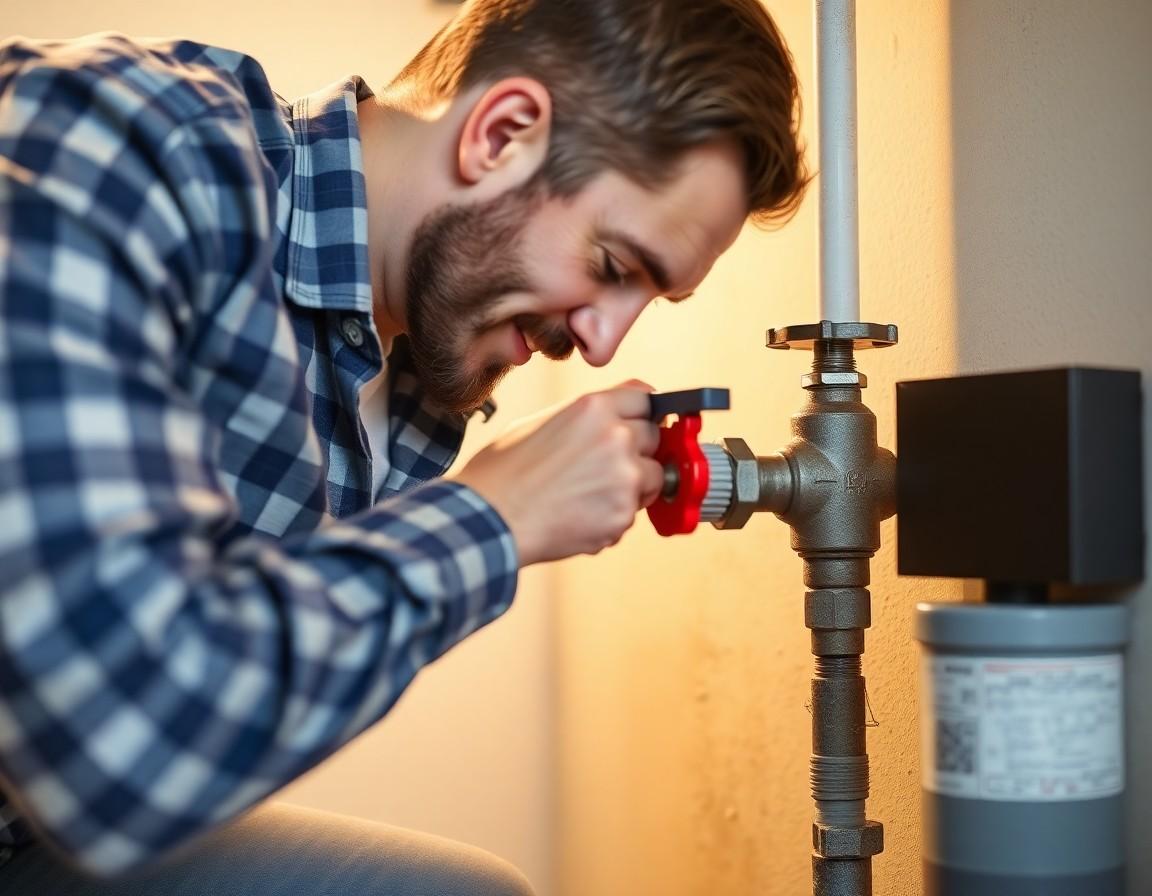
Home emergencies do not schedule themselves for business hours on weekdays. They arrive on Saturday nights in January and on the first day of a vacation. The difference between a $500 repair and a $50,000 water damage claim is often how quickly the homeowner located the shutoff valve and how long water ran before it was stopped. This guide covers the most common home emergencies Canadian homeowners face: what to do in the first five minutes, when to call a professional versus handle it yourself, and how home insurance and home warranties interact with emergency repairs.
Know Your Shutoffs Before You Need Them
The single most important preparation any homeowner can make is locating, labelling, and testing every utility shutoff in the home before an emergency occurs. The main water shutoff valve is typically near the water meter, where the water service enters the house, or in the utility room. It may be a gate valve (round wheel) or a ball valve (lever handle). Know which type you have and confirm it turns — valves that have not been operated in years can seize. Electrical panels are usually in the basement, utility room, or garage; each breaker should be labelled with the circuit it controls. Gas shutoffs are at each appliance and at the meter, but the meter shutoff should only be turned by the gas utility. Walk through your home today and locate all three. Tell every adult in the household where they are.
Burst Pipe or Flooding
A burst pipe is the most common plumbing emergency in Canadian homes, particularly after a cold snap. The moment you discover flowing water, shut off the main water valve. Do not try to identify which pipe failed first — shut the water off, then investigate. Turn off the circuit breakers for any electrical circuits near the water intrusion, as water and live electricity are immediately dangerous. Call a licensed plumber and, if water has penetrated flooring, walls, or ceiling materials, call a water damage restoration company (often your insurance company will have a preferred vendor on call 24/7). Document all damage with photographs before any cleanup begins — this documentation is essential for your insurance claim. Home insurance typically covers sudden and accidental water damage from a burst pipe but does not cover gradual leaks or drainage backup without a separate endorsement.
Furnace Failure in Winter
A furnace that stops working in January is both an emergency and a potential safety issue if temperatures drop quickly in the home. Before calling a technician, check the basics: confirm the thermostat is set to heat and the temperature setting is above the current room temperature. Check that the furnace filter is not completely blocked — some furnaces have a safety shutoff that trips when airflow is severely restricted. Check the circuit breaker for the furnace and reset it if tripped. Check that the furnace's power switch (which looks like a light switch on the wall near the unit) is in the on position. If none of these restore operation, call a licensed HVAC technician. For high-efficiency furnaces, also check that the white PVC condensate drain lines are not frozen or blocked — a blocked condensate line will trigger a shutoff. In the meantime, use electric space heaters to protect occupied areas and keep cabinet doors open to prevent pipes from freezing.
Gas Smell: No Hesitation
If you smell gas inside your home, leave immediately. Do not turn any lights on or off, do not use your phone inside the home, and do not operate any switches or appliances. Leave the door open as you exit to allow ventilation. Call your gas utility from outside or from a neighbour's house — in Ontario that is Enbridge Gas at 1-866-763-5427, in BC it is FortisBC, in Alberta it is Atco Gas. Gas utilities respond to leak calls 24 hours a day at no charge. Do not re-enter the home until the utility has inspected and declared it safe. Natural gas leaks are not a DIY situation under any circumstances.
Electrical Panel Issues
A breaker that trips once and does not trip again after resetting is a normal protective event — something drew too much current and the breaker did its job. Reset it once and monitor. A breaker that trips repeatedly, will not stay reset, feels warm to the touch, or shows any signs of scorching or burning smell requires an immediate call to a licensed electrician — do not continue to reset it. If you hear buzzing or crackling from the panel, see sparking, or smell burning, evacuate the area and call 911 first, then an electrician. Electrical fires are fast-moving and panels should not be opened by unlicensed homeowners under any circumstances. Home insurance covers accidental electrical fire damage; upgrades or repairs to a failing panel are typically not covered (they are a maintenance item) unless damage to other components resulted.
Roof Leak Emergency
A sudden roof leak during a rainstorm requires triage, not a permanent repair. Place buckets under active drips and move furniture and belongings out of the affected area. If water is pooling against a ceiling and forming a visible bulge, carefully pierce the centre of the bulge with a screwdriver or nail to create a controlled drain point — allowing the water to run out prevents the ceiling drywall from failing catastrophically and dropping a large volume of water at once. Do not go onto the roof during rain or wet conditions. Once conditions are safe, a temporary patch using roofing tape or a tarp secured with weighted lumber or straps can buy time until a roofing contractor can do a permanent repair. Call your insurance company to report the damage; sudden storm damage is typically covered under the dwelling portion of a home insurance policy.
Sump Pump Failure
A sump pump failure during a heavy rain or spring thaw is a time-sensitive emergency. If the pit is filling, manually bail it with a bucket if the water level is manageable. A wet-dry shop vacuum can also buy time. If you can identify the issue — a tripped breaker, a disconnected float switch, or a clogged discharge line — address it immediately. Many hardware stores carry submersible utility pumps that can be purchased and deployed within an hour for around $150 to $300. Going forward, a battery backup sump pump (or a water-powered backup) is the most reliable protection against pump failure during a power outage, which is exactly when heavy rains tend to knock out electricity. Many home insurance policies require a sewer backup endorsement to cover basement flooding from a failed sump pump — review your policy now, before you need it.
Appliance Flooding
Dishwasher and washing machine floods are typically caused by a failed hose, a faulty pump, or an overflowing drain. Shut the appliance off immediately — most dishwashers have a shutoff valve under the sink, and washing machines have hot and cold supply shutoffs directly behind or below the machine. If the floor valve is inaccessible, shut the main water supply. Mop up standing water as quickly as possible and get a fan running on any wet flooring — water under laminate or hardwood flooring causes warping within 24 hours. If water reached subfloor or walls, call a water damage restoration company rather than assuming it will dry on its own. Washing machine supply hose failure is one of the most preventable home emergencies: stainless braided hoses (replacing rubber hoses) and automatic shutoff valves that detect hose failure cost $50 to $200 and are worth installing proactively.
Emergency Quick Reference
Emergency Type | Immediate Action | Who to Call | Insurance Involved? |
|---|---|---|---|
| Burst pipe or flooding | Shut main water valve | Licensed plumber | Usually yes — sudden/accidental |
| Furnace failure | Check thermostat, filter, circuit breaker | Licensed HVAC technician | Usually no — maintenance item |
| Gas smell | Leave immediately | Gas utility (Enbridge/FortisBC/Atco) | Usually yes — if damage results |
| Electrical panel issue | Do not touch; evacuate if sparking | Licensed electrician | Usually yes — if fire or damage |
| Roof leak | Bucket, then tarp on roof if safe | Roofing contractor + adjuster | Yes — if sudden damage |
| Sump pump failure | Manually empty pit if accessible | Plumber or pump specialist | Usually yes if damage results |
| Appliance flood | Shut appliance off at valve or breaker | Plumber + water restoration | Usually yes — sudden/accidental |
Home Warranty vs. Home Insurance
Home insurance covers sudden, accidental damage — a pipe that bursts, a tree falling on the roof, fire. It does not cover mechanical breakdown from normal wear. A home warranty (sometimes called a home protection plan, offered by companies like Home Warranty or through some REALTORS® and builders) covers mechanical systems and appliances: the furnace that fails at the end of its useful life, the water heater that stops working, the built-in dishwasher that breaks down. Builder warranties on new construction (mandatory in most provinces) cover one to two years for defects in materials and systems and seven to ten years for major structural defects: seven under Ontario's Tarion warranty, ten in B.C. and Alberta. Understanding which product covers which type of failure prevents the mistake of assuming a claim will be paid and not receiving reimbursement.
Building Your Homeowner Emergency Kit
Every homeowner should maintain a basic emergency kit specific to the home. At minimum this includes a labelled diagram showing the location of all utility shutoffs, the contact numbers for a trusted plumber, electrician, and HVAC technician (saved in your phone and posted in the utility room), a battery-powered flashlight, a 30-litre wet-dry vacuum, a roll of roofing tape for temporary patches, basic hand tools, and a written note of your insurance policy number and your insurer's 24-hour claims line. None of this is expensive or time-consuming to assemble. The cost of an emergency is rarely the repair itself — it is the hours of water damage or fire that occurred while someone was looking for a phone number or a shutoff valve.
Know It Before You Need It
Do one thing after reading this guide: walk through your home and confirm the location of your main water shutoff, your electrical panel, and your gas shutoff valve. Then save the phone numbers of a plumber, electrician, and HVAC technician in your contacts. Every minute of preparation is worth an hour of emergency response.
Related guides & tools
The information presented on HousingPortal.ca is intended for general illustrative purposes only. While the information is believed to be reliable, it cannot be guaranteed for accuracy, completeness, or currency. Neither HousingPortal.ca and its employees, nor any other party identified in this guide/report, assumes any liability for the information provided. The views and opinions expressed by the analysts at HousingPortal.ca are their own and should not be considered as investment advice. It is recommended that you seek the advice of a licensed real estate professional before making any decisions regarding real estate investments.