Professional Photos vs DIY: What Sells Your Home Faster?
By the HousingPortal.ca team · Updated June 2026
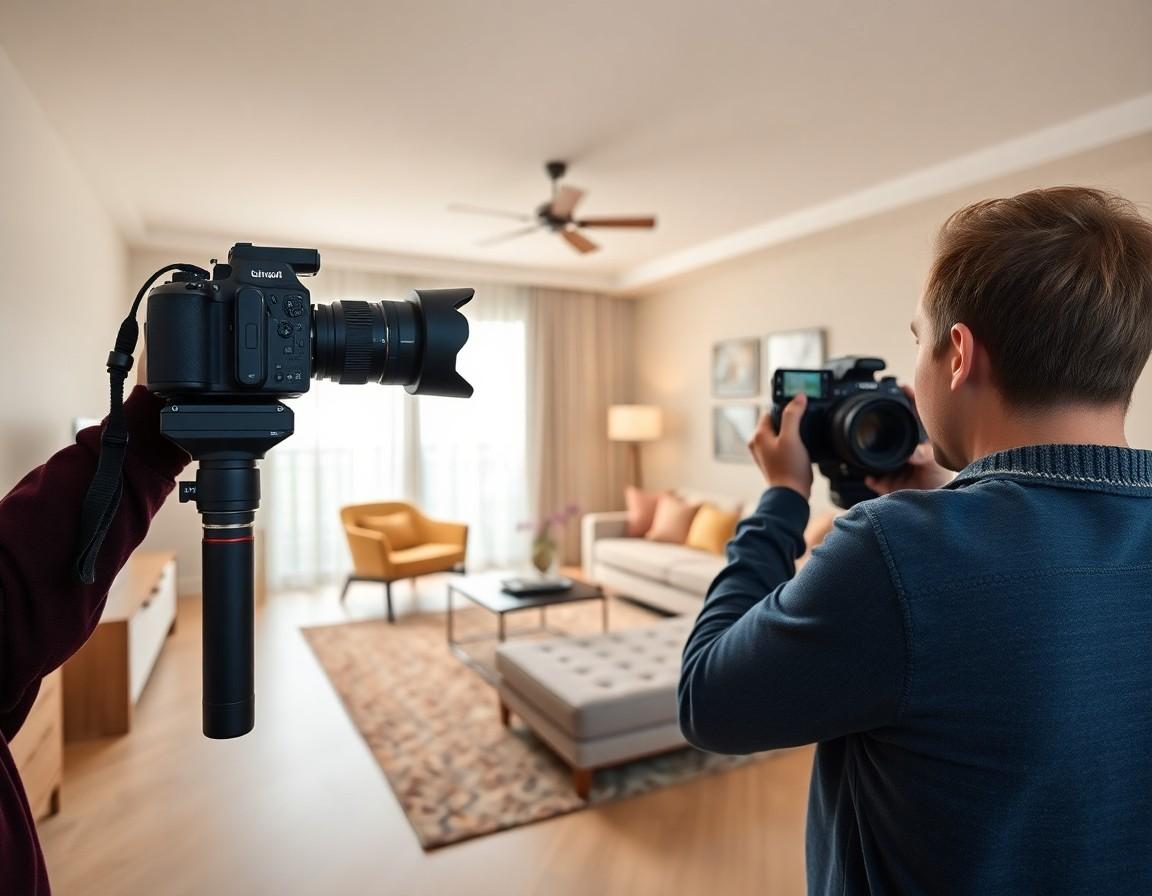
The first showing of your home no longer happens at the front door — it happens on a screen. Buyers scroll through dozens of listings in minutes, and the quality of your photos determines whether they stop or keep scrolling. Homes with professional photography sell an average of 32% faster than those with amateur photos, and studies across North American markets consistently show they sell closer to, or above, the asking price. In a country where the average home sale involves hundreds of thousands of dollars, the question of whether to hire a professional photographer deserves serious consideration, not an afterthought the morning before your listing goes live.
What Professional Real Estate Photography Costs in Canada
Professional real estate photography in Canada typically costs between $200 and $500 for a standard residential package, depending on the city, the size of the home, and what is included. In larger markets like Toronto and Vancouver, expect to pay toward the higher end of that range. Most packages include 25 to 40 edited photos delivered within 24 to 48 hours. Drone photography and aerial shots are often available as an add-on for $100 to $250, and virtual tours or floor plan rendering can add another $150 to $300. Twilight shoots — taken at dusk when interior and exterior lighting creates a dramatic effect — generally cost a premium of $100 to $200 over standard daytime packages.
Many experienced listing agents include professional photography in their commission — it is worth asking this question explicitly when you interview agents. When it is not included, paying out of pocket is almost always worth it. On a $700,000 home, even a conservative 1% improvement in sale price translates to $7,000, which dwarfs a $400 photography bill many times over.
What a Professional Photographer Does Differently
The gap between professional and amateur listing photos is not just about equipment, though equipment matters. A professional real estate photographer brings wide-angle lenses specifically calibrated to capture full rooms without distortion, off-camera flash systems that balance interior and exterior light simultaneously, and post-processing software that removes colour casts, corrects exposure, and makes natural light look its best without making a space look artificial.
Beyond the technical: experienced photographers know how to stage a shot on arrival. They will move a chair, shift a lamp, open a window blind, or remove a distracting object from a counter — not because you asked, but because they have photographed hundreds of homes and immediately see what will hurt the image. They also understand composition and flow: the sequence of photos in a listing tells a story, guiding a buyer mentally through the home before they ever visit. Poor sequencing, even with decent photos, makes a home feel disjointed.
Virtual Tours and Drone Photography
Virtual tours — 360-degree interactive walkthroughs created with cameras like Matterport — have become increasingly common after the pandemic normalization of remote home shopping. For properties over $800,000, or for any home being marketed to out-of-town or international buyers, a virtual tour is no longer a luxury: buyers who are relocating from another city or country routinely make offers based on virtual tours without an in-person visit. A well-executed virtual tour can expand your buyer pool significantly.
Drone photography adds particular value for homes with exceptional lots, waterfront, acreage, backing onto green space, or in scenic locations where the immediate surroundings are part of the appeal. It also shows a property's street presence and neighbourhood context in ways that ground-level photography cannot. In a competitive listing environment, aerial shots signal that a seller is serious about marketing — which itself affects buyer perception of a property's desirability.
When Smartphone Photos Are Acceptable
There is one scenario where DIY photography is unlikely to hurt you: a strong seller's market with critically low inventory, where demand so dramatically exceeds supply that buyers will compete for almost any listed property regardless of presentation. In such markets, homes routinely receive multiple offers within days of listing, and the marginal value of professional photos narrows considerably when buyers are desperate.
Even in that context, the ceiling matters. Professional photos attract more offers, and more offers mean more competition, which tends to drive the final sale price higher. Seller's markets do not last indefinitely, and a home that lingers even a week longer than it should because of weak photos is a week of carrying costs, stress, and missed opportunity.
Common DIY Listing Photo Mistakes
The most damaging DIY photography mistakes are consistent and avoidable. Dark rooms caused by relying only on overhead lighting create a basement-like feeling even in bright spaces. Vertical phone photos posted in a horizontal format look amateurish and are often cropped awkwardly by listing platforms. Toilet seats left up, unmade beds visible through doorways, cluttered counters, and cars in the driveway all communicate carelessness to buyers who are already looking for reasons to negotiate the price down.
Another common error is capturing too little of each room by standing too close to the subject. A wide-angle lens makes spaces feel open and inviting; a standard phone camera in a corner makes a generous room look cramped. Shooting directly into windows without balancing the exposure produces blown-out white rectangles where the view should be — one of the most distinctive marks of amateur real estate photography.
How to Prepare for the Photography Shoot
A professional photographer can only work with what they find when they arrive. The preparation you do beforehand determines the ceiling of what the photos can achieve. Plan to spend a full day — or hire a professional cleaning service — before the shoot. The key priorities: declutter every surface including countertops, shelves, and nightstands; deep clean bathrooms and kitchens; remove personal photos, refrigerator magnets, and children's artwork; put away pet bowls, leashes, and beds; replace burned-out bulbs throughout the home; and ensure all window coverings are open to maximize natural light. Curb appeal matters too: mow the lawn, edge the walkway, sweep the front porch, and move vehicles out of the driveway and street in front of the home.
Briefing Your Photographer
Before the shoot, share information your photographer cannot see from the street: which direction the home faces and what time of day the light is best in key rooms, any special features worth highlighting (a finished basement, a view from the primary bedroom, a newly renovated kitchen), and any areas that should be minimized or photographed from specific angles. A brief conversation at the start of the shoot about your priorities helps an experienced photographer allocate their time and attention where it has the most impact. If the home has challenging spaces — a narrow hallway, a low-ceiling basement, a small bathroom — ask for their advice on whether and how to photograph them.
The Impact on Days on Market and Sale Price
The relationship between listing photo quality and market outcomes is well documented. Homes with professional photography consistently spend fewer days on market — attracting more buyer traffic earlier, which leads to faster offer decisions. They also tend to sell closer to list price because buyers who feel genuinely excited about a home are less likely to open with a lowball offer. In balanced or buyer's markets, where buyer scrutiny is higher and choices are many, the quality gap between professional and amateur photography is amplified: poorly presented homes simply do not get shown.
Questions to Ask Your Photographer Before Booking
Not all real estate photographers are equally skilled. Before booking, ask to see a portfolio of homes similar in size and style to yours, confirm delivery time and the number of edited photos included, ask whether HDR (high dynamic range) processing is standard or an add-on, verify whether the license they provide permits your agent to use the images on their own channels and social media, and clarify what happens if you are unhappy with the results. A photographer who has shot hundreds of homes will answer these questions without hesitation and will likely provide references or reviews on request.
The Bottom Line
Professional listing photography is one of the lowest-cost, highest-return investments a home seller can make. The $200 to $500 spent on a professional shoot is recovered many times over through faster sales, stronger offers, and a final sale price that reflects your home's true market value rather than the depressed perception created by poor visuals. In most Canadian markets, in most conditions, the question is not whether you can afford professional photos — it is whether you can afford not to have them.
Related guides & tools
The information presented on HousingPortal.ca is intended for general illustrative purposes only. While the information is believed to be reliable, it cannot be guaranteed for accuracy, completeness, or currency. Neither HousingPortal.ca and its employees, nor any other party identified in this guide/report, assumes any liability for the information provided. The views and opinions expressed by the analysts at HousingPortal.ca are their own and should not be considered as investment advice. It is recommended that you seek the advice of a licensed real estate professional before making any decisions regarding real estate investments.