How to Prepare Your Home for Sale
By the HousingPortal.ca team · Updated June 2026
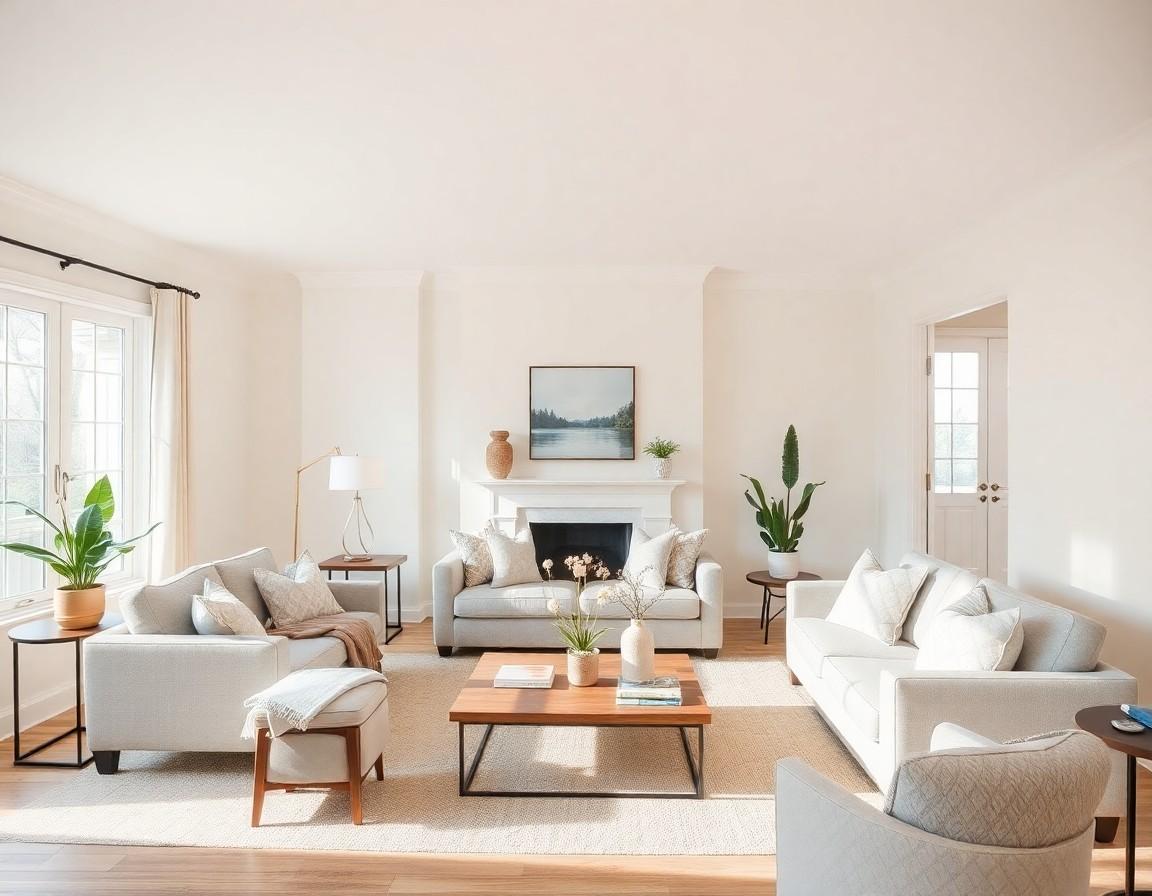
The way a home is presented at listing has a measurable impact on how quickly it sells and at what price. Buyers form strong impressions within seconds of seeing photos online and within minutes of walking through the door. Preparation does not require expensive renovations — most of the highest-impact steps involve cleaning, decluttering, and minor repairs that cost relatively little but signal to buyers that the home has been well cared for. This guide covers what to prioritize and in what order.
Start with Decluttering
Before anything else is cleaned, painted, or staged, remove excess furniture, personal items, and clutter from every room. Buyers need to see the space, not your belongings. Overfilled rooms read as smaller on camera and in person. Clear countertops, thin out bookshelves, pack away family photos, and remove seasonal items from closets to make storage look more generous. Rent a storage unit if needed — the cost is trivial compared to the impact on presentation. The goal is to leave a home that feels spacious, neutral, and easy for buyers to visualize themselves in.
Deep Clean Everything
A professionally cleaned home photographs better and feels more cared for during showings. Hire a cleaning service for a thorough pre-listing clean: windows inside and out, baseboards, light fixtures, oven and hood fan, grout, and all surfaces behind and beneath furniture. Pay special attention to bathrooms and the kitchen, where buyers scrutinize cleanliness most. Carpet steam cleaning is worth the cost if carpets are stained or have absorbed odours. A clean home is not just cosmetically better — it communicates maintenance and care to anyone walking through.
Address Odours First
Odour is one of the first things buyers notice and one of the most difficult to overlook. Pet smells, cooking odours, musty basements, and cigarette smoke all create immediate negative impressions that staging cannot overcome. Before listing, identify and address the source rather than masking it with air fresheners, which buyers read as an attempt to cover something up. Wash or replace soft furnishings that have absorbed smells, clean dryer vents and HVAC filters, and air the home thoroughly. A neutral-smelling home is invisible in the best way.
Minor Repairs That Buyers Notice
Buyers mentally add up every small deficiency they see during a showing. A dripping faucet, a cracked outlet cover, a squeaky door hinge, a window that does not open properly, scuffed baseboards, missing door hardware — individually minor, collectively they create an impression that the home has not been looked after. Walk through every room with fresh eyes before listing and fix anything that takes less than an hour and costs less than $50. This category of repair consistently delivers the highest return of any pre-listing investment.
Paint: The Highest-ROI Improvement
Fresh paint is widely regarded as the single most impactful pre-listing improvement for the money. It makes rooms feel cleaner, newer, and more photographable. Choose neutral colours — warm whites, greiges, and soft warm greys — rather than bold or highly personal choices. These appeal to the widest range of buyers and photograph well in natural and artificial light. Focus first on rooms with heavily marked walls, dated colours, or anything dark and small-feeling. A full interior repaint typically costs $3,000 to $8,000 and can return multiples of that in final sale price.
Curb Appeal: The First Impression
Buyers drive past a home before they walk through it, and many make a preliminary judgment based solely on the exterior. Mow the lawn, edge the walkway, trim overgrown hedges, add a few planters near the entrance, and repaint or replace the front door if it is showing its age. Pressure-wash driveways, walkways, and the front of the home if they are stained or discoloured. Replace any broken exterior light fixtures or address numbers. These are high-visibility, low-cost improvements that set the tone for what buyers expect inside.
Kitchen and Bathroom Focus
Kitchens and bathrooms sell homes. You do not need to renovate either, but you do need to present them at their best. In the kitchen, clear all countertops except for one or two intentional items, clean appliances until they shine, replace any broken hardware, and ensure the faucet does not drip. In bathrooms, replace worn or stained caulking, re-grout tile if the grout is dark and dirty, replace toilet seats, hang fresh towels, and remove all personal toiletries from counters and shower areas. Both spaces should feel hotel-clean and uncluttered.
Staging and Furniture Arrangement
Staging does not mean buying new furniture. It means arranging what you have — or what a professional stager brings in — to show the purpose and scale of each room clearly. Remove oversized furniture that crowds spaces, float furniture away from walls to create better flow, and ensure every room has a clear purpose that photographs well. Your listing agent may recommend a professional stager for an occupied home, or provide staging as part of their service. In vacant homes, some degree of furniture staging is almost always worthwhile: empty rooms photograph poorly and feel smaller than furnished ones.
Photography and the Online First Impression
The majority of buyers first see a home through online listing photos, and the quality of those photos determines whether they book a showing. Professional real estate photography — typically $200 to $500 — is one of the most cost-effective listing investments available. A professional photographer works with proper lighting, wide-angle lenses, and composition that makes rooms appear bright, spacious, and appealing. Do not list with phone photos or poorly lit images taken by the agent on a cloudy day. Ask to see sample work before approving any listing photographer.
What to Ask Your Agent Before Listing
Before finalizing your listing strategy, ask your agent which improvements they believe will have the highest impact in your specific market and price range, what comparable homes looked like when they sold, whether professional staging is included or recommended, and who photographs the listing. A good listing agent will walk through your home and give you a prioritized, realistic preparation list — not a list of expensive renovations, but the specific steps that will maximize your sale price for the money and effort you invest.
The Bottom Line
The best-prepared homes sell faster and for more money — not because they were renovated, but because they were clean, neutral, decluttered, and well-presented. Most of what moves the needle costs hundreds of dollars and a few weekends, not tens of thousands. Start with the basics: declutter, clean, repair the small things, freshen the paint, and hire a professional photographer. Those five steps alone put most homes in a meaningfully stronger position than comparable listings that skipped them.
Related guides & tools
The information presented on HousingPortal.ca is intended for general illustrative purposes only. While the information is believed to be reliable, it cannot be guaranteed for accuracy, completeness, or currency. Neither HousingPortal.ca and its employees, nor any other party identified in this guide/report, assumes any liability for the information provided. The views and opinions expressed by the analysts at HousingPortal.ca are their own and should not be considered as investment advice. It is recommended that you seek the advice of a licensed real estate professional before making any decisions regarding real estate investments.