Home Staging Tips That Help Sell Faster
By the HousingPortal.ca team · Updated June 2026
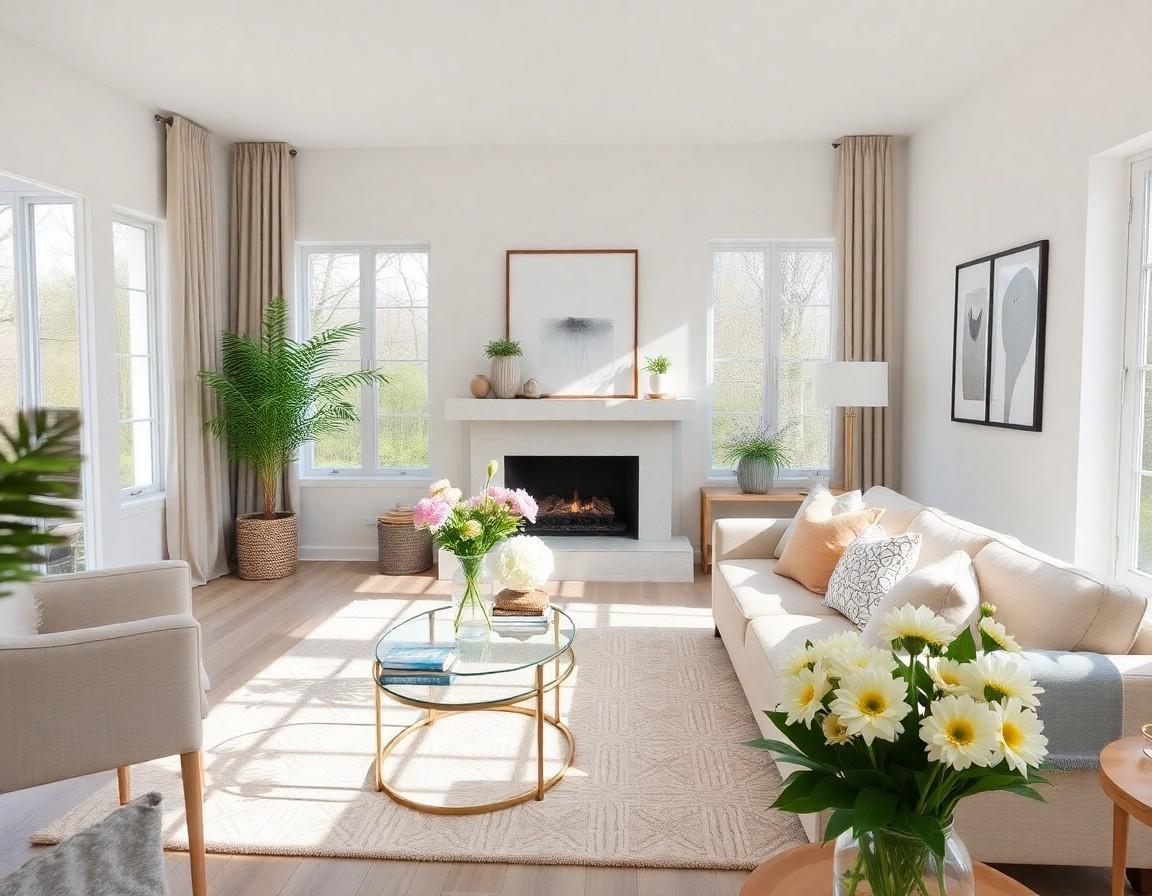
Staging is one of the most misunderstood steps in selling a home. Staging is not renovation — it is presentation. It does not mean gutting the kitchen or adding a bathroom. It means arranging, editing, and styling what exists so that buyers can see the home's best version when they scroll through photos online and walk through the door in person. Research consistently shows that staged homes sell faster and for more money than comparable unstaged listings. The principles are learnable, and most of the highest-impact steps cost very little.
Why Staged Homes Sell Faster and for More
Buyers make emotional decisions first and rational ones second. When a home photographs well and feels right during a showing, buyers are more likely to move quickly, offer strongly, and overlook minor imperfections. Staging directly influences the emotional experience of a listing — it signals that the home has been cared for, helps buyers visualize living there, and makes rooms appear larger and brighter on camera. In competitive markets, a well-staged home stands out in a sea of listing photos and books more showings. More showings with engaged buyers is the foundation of a strong sale.
The Neutral Palette Principle
The single most universally applicable staging principle is neutrality. Bold colours, highly personal decor, and statement feature walls narrow your buyer pool because buyers must mentally repaint before they can picture themselves living there. Warm whites, soft greiges, and muted warm tones appeal to the broadest range of buyers and photograph well under a variety of lighting conditions. This does not mean the home must feel cold or sterile — warmth can come from textures, natural materials, and layering — but the base palette should give buyers a blank canvas, not a bold statement.
Removing Personal Items
Family photos, personal memorabilia, religious items, sports trophies, children's artwork on the fridge, and highly personalized collections all work against buyers' ability to imagine the home as their own. When buyers see your life in a home, they feel like visitors rather than potential owners. Pack these items before listing. This is not a reflection on the value of those objects — it is a deliberate psychological adjustment designed to create a neutral canvas. Storage units are inexpensive; the impact of depersonalization on buyer engagement is not.
The Living Room
The living room is typically the first interior space buyers see and the one most frequently featured in listing photos. Remove oversized furniture that makes the room feel crowded, float the sofa and chairs away from walls to create conversational groupings, and ensure there is a clear focal point — fireplace, view, or feature wall. Replace worn throw pillows and blankets, remove remote controls and magazines, and ensure all lighting works and is appropriately warm. Less furniture almost always reads as more space, and a living room that looks large and inviting in photos generates showings.
The Kitchen
Kitchens are the room buyers scrutinize most carefully and the one that most influences their overall impression of a home. Clear every surface except for one or two intentional styling items — a bowl of fruit, a small plant, a single cookbook. Clean appliances until they shine, clean inside the microwave, replace any worn or stained cabinet hardware, re-caulk the sink if needed, and ensure the faucet does not drip. If cabinet doors are misaligned or hinges are broken, fix them. A clean, uncluttered kitchen makes even an older space feel functional and well-maintained.
The Master Bedroom
Buyers want to feel that the master bedroom is a retreat. Remove all but essential furniture, make the bed with clean neutral linens and a few decorative pillows, clear bedside tables of personal items, and ensure closets are at most two-thirds full to make storage look generous. A hotel-like master bedroom — calm, uncluttered, and comfortable — photographs exceptionally well and helps buyers emotionally commit to a home. If the bedding is worn or the mattress visibly sags, invest in a new duvet set before the photo shoot.
Bathrooms
Bathrooms need to look spotless and feel spa-like. Replace worn caulking, re-grout dirty tile, replace the toilet seat if it is stained or dated, and clean grout lines until they are as light as possible. Remove all personal toiletries from counters, the shower, and the tub area — leave only a small number of matching, attractive items. Hang fresh, neatly folded white or neutral towels. Add a small plant or candle if space allows. Buyers expect bathrooms to be immaculate; even a minor shortfall here creates a disproportionate negative impression.
Outdoor Spaces
Outdoor spaces are frequently overlooked in staging but are among the most compelling features a home can offer, particularly in Canadian markets where usable outdoor living space is seasonal and valued. Mow the lawn, edge walkways, pressure-wash the driveway and deck, clean patio furniture, and add a few planters if the space feels bare. A deck or backyard that looks well-maintained and inviting extends the perceived living space of a home. During winter listings, ensure paths are cleared and exterior lighting works. Even modest outdoor spaces photograph better when they are clean and intentionally arranged.
Lighting Improvements
Lighting is one of the most impactful and cost-effective staging tools available. Bright, warm spaces feel larger, cleaner, and more welcoming than dark ones. Replace any burned-out bulbs before the photo shoot and open all blinds and curtains to maximize natural light. Swap cool fluorescent or daylight bulbs for warm-white LEDs (2700–3000K), which photograph well and feel residential. Add floor lamps or table lamps to dark corners. In rooms with low ceilings or small windows, lighting improvement alone can transform the feel of the space for a cost of under $100.
Professional Staging: When Is It Worth It?
Professional staging services range from a consultation and advice session ($200 to $500) to a full-service staged presentation with rented furniture and decor ($2,000 to $8,000 or more depending on home size and market). Full staging is most clearly worth the investment for vacant homes and for higher-price-point properties where the cost of staging is small relative to the potential sale price uplift. Many listing agents include a staging consultation as part of their service. Ask upfront what is included. For occupied homes, a consultation plus targeted decluttering and styling typically delivers most of the benefit without the full-service cost.
Virtual Staging for Vacant Homes
Vacant homes are notoriously difficult to sell because empty rooms photograph poorly and feel smaller than furnished ones. Buyers also struggle to gauge scale and purpose without furniture as a reference point. Virtual staging — digitally adding furniture and decor to listing photos — is an increasingly common and cost-effective solution, typically running $50 to $150 per photo. It must be clearly disclosed as virtually staged in the listing, but it gives buyers an accurate and appealing impression of the space. For sellers who cannot afford full staging on a vacant property, virtual staging is a practical middle ground.
Room-by-Room Pre-Showing Checklist
The morning of every showing:
- ✅ Living room: furniture arranged, pillows fluffed, all surfaces clear, lamps on
- ✅ Kitchen: counters completely cleared, sink empty and dry, appliances wiped, garbage emptied
- ✅ Master bedroom: bed made with all pillows in place, nightstands cleared, closet door closed or neatly arranged
- ✅ All bedrooms: beds made, floors clear, blinds open, lights on
- ✅ Bathrooms: toilet lids closed, counters cleared, fresh towels hung, mirrors wiped, floors clean
- ✅ Entrance and hallway: shoes and coats put away, floor clean, lights on
- ✅ Basement: clutter removed, lights on, any musty odour addressed
- ✅ Outdoor: porch swept, mat shaken, patio furniture arranged, any garbage bins stored out of view
- ✅ Whole home: all lights on, blinds and curtains open, temperature comfortable, pets removed
Start Before the Photographer Arrives
Everything above matters most on the day your listing photos are taken. Those images will be seen by every buyer who encounters your listing online — often hundreds of people — before a single showing is booked. Your listing photos are your first showing, and for many buyers, the only one that gets them to call. The cleaning, decluttering, depersonalizing, and lighting improvements all need to be complete before the photographer walks in. Staging is not a one-morning task — it is a process that should begin several weeks before your listing date so that the home is genuinely show-ready when the camera arrives.
Related guides & tools
The information presented on HousingPortal.ca is intended for general illustrative purposes only. While the information is believed to be reliable, it cannot be guaranteed for accuracy, completeness, or currency. Neither HousingPortal.ca and its employees, nor any other party identified in this guide/report, assumes any liability for the information provided. The views and opinions expressed by the analysts at HousingPortal.ca are their own and should not be considered as investment advice. It is recommended that you seek the advice of a licensed real estate professional before making any decisions regarding real estate investments.