Home Security Essentials for Canadian Homeowners
By the HousingPortal.ca team · Updated June 2026
Property crime remains a real concern across Canadian cities and suburbs, but the majority of break-ins are opportunistic rather than targeted — meaning that basic, visible security measures deter most would-be intruders before they even approach your door. A well-secured home is not necessarily an expensive one; it is a layered one. Beyond the peace of mind, documented security improvements can reduce your home insurance premium by 5 to 15 percent, making the investment self-funding over a few years. This guide walks through the most effective measures from the perimeter in, the technology landscape, and a few resources most Canadian homeowners do not know they have access to.
The Layered Security Approach
Security professionals describe effective home security using a four-D framework: deter, detect, delay, and deny. Deterrence means making your home look like a difficult or risky target before anyone attempts entry — visible cameras, lighting, alarm signage. Detection means identifying an intrusion attempt in progress, through sensors, cameras, and alarm systems. Delay means slowing an intruder's progress enough that the likelihood of being caught increases — reinforced door frames, quality deadbolts, window locks. Deny means preventing entry entirely through physical hardening. A home that excels at deterrence rarely requires the later layers to activate, because most criminals will simply move to an easier target.
Exterior Measures That Deter
Motion-activated lights are among the most effective and affordable deterrents available. A sensor light that floods a dark side yard or rear entrance with light when triggered costs under $60 installed and eliminates the concealment most opportunistic intruders depend on. Position them at every potential entry point: the front door, side gate, rear door, and garage area. Visible security cameras — even a decoy — have a measurable deterrent effect, but working cameras that actually capture footage and upload it to the cloud have the additional value of supporting police investigations and insurance claims.
Eliminate hiding spots: overgrown shrubs flanking the front door or concealing ground-floor windows provide cover. Trim vegetation to maintain clear sightlines from the street and between neighbours. A visible alarm system sign or window sticker from a recognized security company is a low-cost deterrent that many security professionals consider disproportionately effective for its price (near zero).
Securing Entry Points
The front door is the most common point of entry in residential break-ins, and most residential doors fail at the frame rather than the lock — a single kick is sufficient to split a standard door frame because the strike plate is typically secured with short screws that only reach the door casing, not the structural framing. Replacing standard strike plate screws with 3-inch screws that reach the stud, and installing a heavy-gauge strike plate (available at any hardware store for under $30), dramatically increases the resistance to forced entry. Combine this with a Grade 1 deadbolt — the highest residential classification for lock resistance — on every exterior door.
Sliding glass doors are a common vulnerability: the standard locking mechanism is easy to defeat by lifting the door off its track. Add a secondary bar in the track (a cut-down broom handle works perfectly) and a pin lock through the door frame. Ground-floor windows that are left unlocked, or that open wide enough to allow entry, should have window stops installed — these limit how far the window can be opened from outside while still allowing ventilation.
Garage Security
An attached garage that connects directly to the home is one of the most overlooked entry points. The door between the garage and the home's interior should be treated with the same security as an exterior door: solid core construction, a proper deadbolt, and a door frame secured with long screws. Garage door openers with rolling-code technology (standard on all post-2000 openers) resist code grabbing, but older fixed-code openers are vulnerable and should be replaced. Keep garage door remotes out of your car if the car is ever parked on the street or in a public parking area, as stolen remotes combined with a home address from the registration in the glove box have been used in targeted entries.
Smart Security Technology
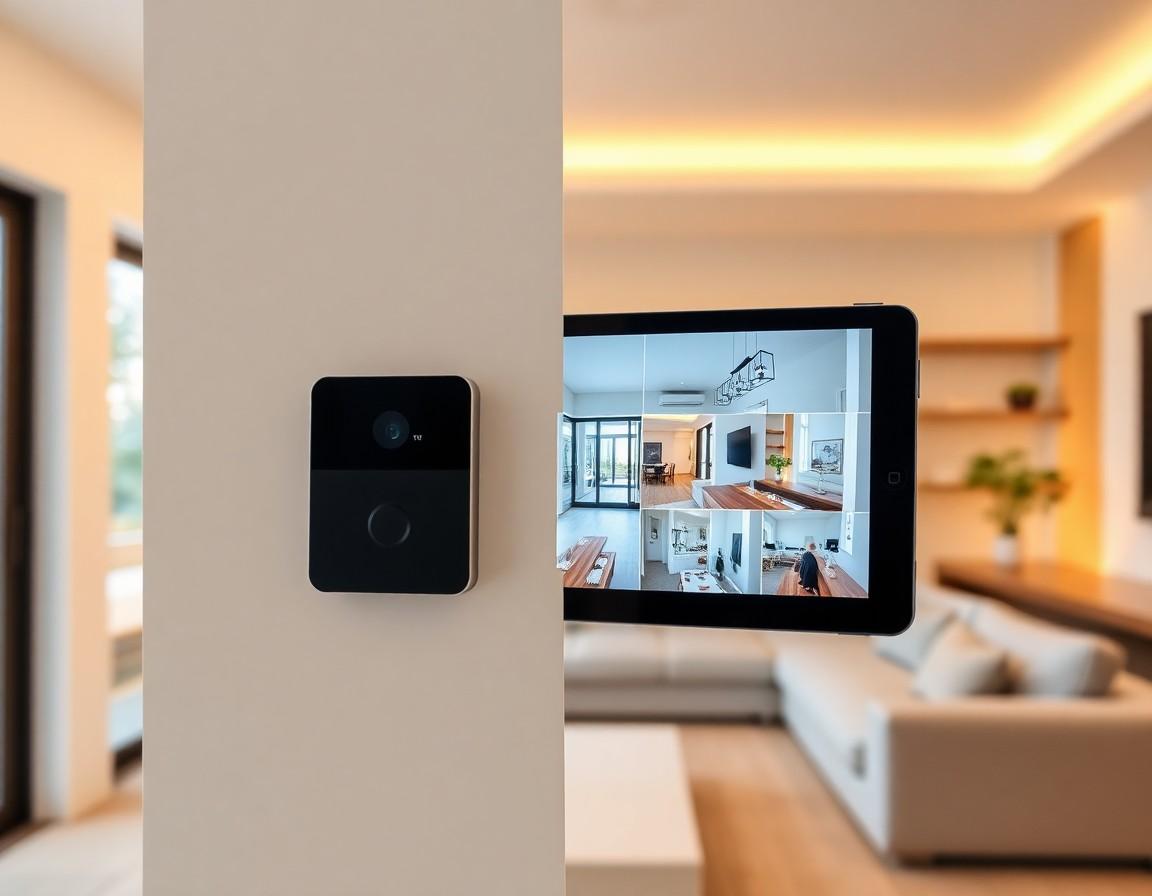
The consumer smart home security market has matured significantly, and Canadian homeowners now have access to reliable systems at a wide range of price points. Video doorbells (Ring, Google Nest Hello, Eufy) provide a camera view of the front entrance, motion alerts to your phone, and a record of all activity even when you are not home. Outdoor security cameras have dropped dramatically in price — a weatherproof camera with night vision, two-way audio, and cloud recording can be purchased for $80 to $200 per unit.
For full alarm systems, the major options in Canada include ADT (professionally installed, contracts required), SimpliSafe (self-installed, flexible monitoring plans), and Ring Alarm (integrates with existing Ring cameras, self-monitored or professional monitoring available). Each has a different trade-off between upfront cost, monthly fees, installation complexity, and monitoring options. Research whether the system you choose is compatible with your insurer's discount criteria before purchasing.
Professional vs. Self-Monitoring
Approach | Typical Monthly Cost | Insurance Discount Eligibility | Response Time |
|---|---|---|---|
| Professional monitoring | $20–$50/month | Yes — 5 to 15% in most provinces | Central station calls you and dispatches police |
| Self-monitoring (app alerts) | $0–$15/month | Sometimes — varies by insurer | You respond manually via app |
| No monitoring (audible alarm only) | $0 | Rarely — audible only often excluded | Neighbours or passersby react (or don't) |
For most Canadian homeowners, a professionally monitored system that qualifies for an insurance discount is self-funding within two to three years: the annual premium reduction often equals or exceeds the annual monitoring cost. Contact your home insurer before purchasing to confirm what they require — some specify ULC (Underwriters Laboratories of Canada) certified monitoring stations, which not all providers meet.
When You Are Away From Home
An unoccupied home is a higher-risk home, and experienced intruders recognize the signs: accumulated mail, a dark house for multiple consecutive evenings, no movement visible through windows. Before extended travel, arrange for a trusted neighbour or friend to collect mail, put lights on programmable timers set to mimic realistic occupancy patterns (not just the same hours every night), and avoid announcing extended travel on social media while you are still away. Pause mail delivery through Canada Post if your absence will be longer than a week. Ask a neighbour to park in your driveway on occasion if possible — a driveway that is never occupied signals absence loudly.
Free Resources Most Homeowners Don't Know About
Many municipal police services in Canada offer free residential security assessments through their crime prevention units. An officer will walk your property and provide specific, no-cost recommendations for improving security based on exactly what they see. This service is available in Toronto, Vancouver, Calgary, Ottawa, Edmonton, and most other major cities — contact your local police non-emergency line or community services division to request one. The recommendations from these assessments are often more specific and actionable than any general guide can provide, because they reflect conditions unique to your property and neighbourhood.
Renter vs. Owner Security Options
Renters face unique constraints: they cannot install hardwired systems, replace locks without landlord permission, or make structural modifications. However, renters can still implement meaningful security through portable measures. Renter-friendly options include wireless alarm sensors (door/window contact sensors and motion detectors that operate on adhesive mounts), portable door bars and travel locks for the primary entry, video doorbells that clip onto the door frame without drilling, and smart plugs on lamps set to occupancy simulation schedules. Renters should review their lease before purchasing any system and communicate with their landlord — many landlords are receptive to security improvements that protect the property.
Know It Before You Need It
The best time to address home security is before anything happens. A break-in is not just a financial loss — it is a violation that affects how safe residents feel in their own home, sometimes for years afterward. Start with the basics: motion lights, secured strike plates, a quality deadbolt, and a trim of concealing vegetation. Then layer in technology at whatever pace fits your budget. The marginal improvement in security from even modest measures is significant, because most property crime targets the easiest available option — not a specific home.
Related guides & tools
The information presented on HousingPortal.ca is intended for general illustrative purposes only. While the information is believed to be reliable, it cannot be guaranteed for accuracy, completeness, or currency. Neither HousingPortal.ca and its employees, nor any other party identified in this guide/report, assumes any liability for the information provided. The views and opinions expressed by the analysts at HousingPortal.ca are their own and should not be considered as investment advice. It is recommended that you seek the advice of a licensed real estate professional before making any decisions regarding real estate investments.